
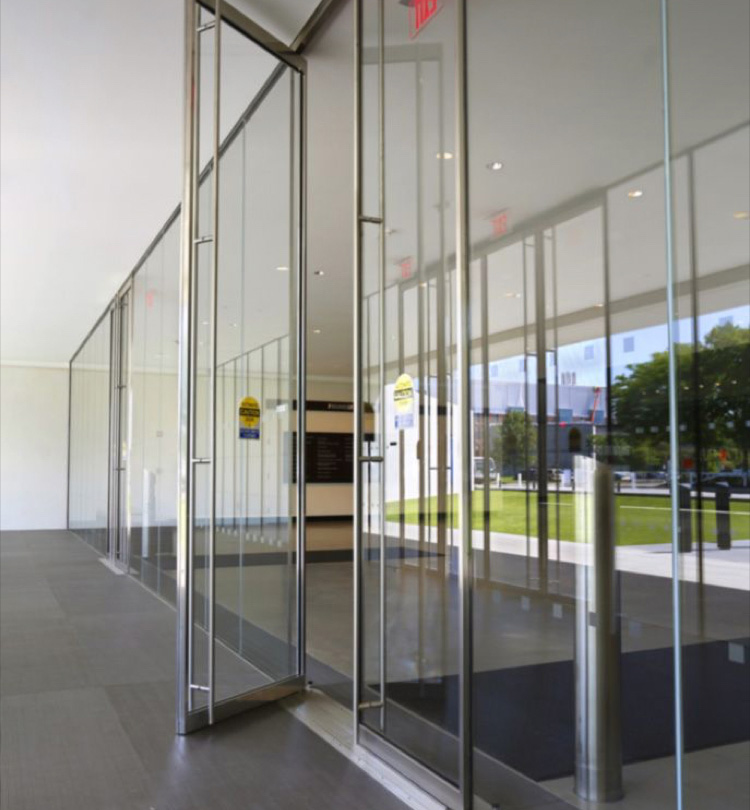
Silverback Laminated Glass
Silverback Laminated Glass is a type of safety glass that is composed of two or more layers of glass bonded together by a durable interlayer, typically made of polyvinyl butyral (PVB) or ethylene-vinyl acetate (EVA). This interlayer holds the glass panes together even when broken, providing increased strength and safety compared to standard glass.
Strength
Silverback Laminated glass is significantly stronger than regular glass due to its composition. The interlayer acts as a binding agent, preventing the glass from shattering into large, sharp pieces upon impact. This makes it less likely to cause injury in case of breakage.
Safety When Broken
One of the primary benefits of Silverback Laminated Glass is its enhanced safety features when broken. Unlike traditional glass, which can break into sharp, jagged pieces, laminated glass remains largely intact even when shattered. The interlayer holds the broken glass fragments in place, reducing the risk of injury from flying shards.
Resistance to Thermal Stress
Silverback Laminated Glass exhibits good resistance to thermal stress, making it suitable for use in environments with fluctuating temperatures. The interlayer helps to distribute thermal stress evenly across the glass surface, minimizing the risk of cracking or breaking due to temperature variations.

Uses
Silverback Laminated Glass is used in a variety of applications across different industries, including:
Architectural Applications
It is used in buildings for windows, doors, skylights, and glass facades to improve safety and security.
Security Applications
Silverback Laminated Glass is used in security windows and doors to provide protection against forced entry and vandalism.
Hurricane and Storm Protection
In areas prone to hurricanes and severe storms, Silverback Laminated Glass is used to provide protection against high winds and flying debris.
Soundproofing
Silverback Laminated Glass is effective at reducing noise transmission, making it suitable for use in soundproof windows and partitions.